
Furnace Maintenance in Greers Ferry, AR
Seasonal Tune-Ups, Preventive Care, Peace of Mind Through Winter
A furnace that runs reliably all winter doesn't happen by accident—it's the result of proper maintenance before the heating season begins. At Greers Ferry Heat & Air, we bring three decades of experience to maintaining furnaces throughout Fairfield Bay, Clinton, Heber Springs, Drasco, and Quitman, catching small issues before they become emergency breakdowns. A professional furnace tune-up before heating season ensures your system starts cleanly, runs at peak efficiency, and delivers consistent warmth through every cold night. We clean burners, verify safe operation, test all controls, measure efficiency, and document everything so you understand your furnace's condition. When you join our maintenance plan, you get scheduled seasonal visits, priority response if problems develop, and the confidence that a trained professional has verified your heating system is safe and ready for winter.
- 30+ Years Experience
- Fast, Local Response
- Read Reviews
Why Annual Furnace Maintenance Prevents Winter Emergencies
Ruud Pro Partner · 30+ years of HVAC experience
Clean Burners & Heat Exchanger—Maximum Efficiency & Safety
Over a heating season, dust, pollen, and combustion byproducts accumulate in the burner assembly and heat exchanger, reducing efficiency and potentially creating safety concerns. A professional cleaning removes all buildup, restores full flame pattern, ensures complete fuel combustion, and improves heat transfer. A clean furnace burns fuel more completely, uses less gas, and heats your home more reliably. This single step improves fuel efficiency and prevents the ignition failures that can strand families without heat.
Verify Safe Combustion & Carbon Monoxide Risk
A furnace operating safely requires proper air-to-fuel ratio, complete combustion, and safe venting of exhaust. Annual testing with a combustion analyzer confirms your furnace is burning cleanly with no incomplete combustion that could produce dangerous carbon monoxide. We verify gas pressure is correct, the flame is the proper color and shape, and all safety interlocks are responding. If any concern emerges, we identify it before a dangerous failure occurs. This verification is especially critical for older furnaces that may show early signs of aging.
Catch Small Failures Before They Become Emergency Shutdowns
Many furnace failures are preceded by subtle warning signs weeks or months earlier: slightly delayed ignition, gas pressure drift, a weak flame, or thermal sensors acting inconsistently. Professional maintenance testing catches these early signs through pressure measurements, electrical continuity checks, and performance verification. When we identify a component showing wear, we can plan replacement on your schedule rather than facing an emergency shutdown in the middle of winter when emergency repairs cost more and heating is urgent.
Extend Furnace Lifespan Through Preventive Care
A furnace that receives annual maintenance runs reliably for far longer than one that's never serviced. Neglected systems tend to fail years earlier, often at the worst possible time. The difference is dramatic: preventive maintenance preserves equipment life, avoids premature replacement costs, and keeps your system under reliable control. Regular tune-ups are among the most cost-effective investments you can make in furnace reliability—they pay for themselves in avoided repairs and extended equipment life.
Optimize Heating Efficiency & Reduce Seasonal Fuel Costs
During maintenance, we measure furnace output temperature, check the blower fan operation, verify air distribution through ductwork, and assess overall heating efficiency. We clean or replace air filters that restrict airflow, seal ductwork leaks that waste heat, and ensure the thermostat is controlling the furnace properly. These efficiency improvements compound across the entire heating season—small gains in efficiency become significant savings on your monthly fuel bills. Over the life of your furnace, efficient operation saves hundreds or thousands in heating costs.
Informed Repairs When Heating Fails
Customers on our maintenance plan arrive at a repair with a full service history already on file. Because we've maintained your furnace, diagnosed its condition, and documented its records, our repair team understands your system and can often complete repairs in a single visit. That means less guesswork during a winter breakdown, and the confidence that your system is being cared for by technicians who know it well.
Schedule Your Furnace Tune-Up Before Winter Arrives
Furnace maintenance is one of the smartest investments you can make before heating season. We recommend scheduling your tune-up in September or early October—before the first cold snap and before repair calls start piling up. We'll evaluate your furnace's condition, identify any concerns, clean burners and components, test all controls, verify safe operation, and document everything so you understand exactly what we found. If any repairs become necessary during the off-season, you have time to plan and budget rather than facing a repair backlog in January.
Our Furnace Maintenance Tune-Up: Complete System Assessment
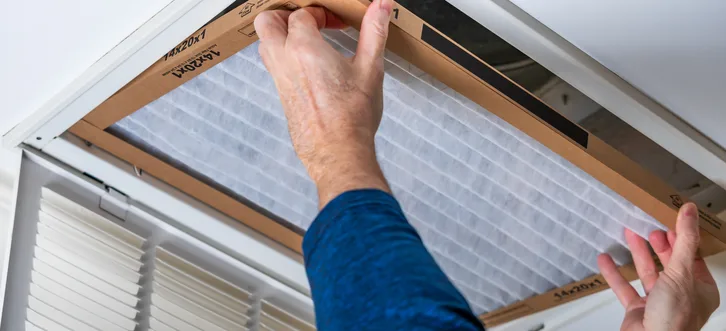
System Startup & Initial Visual Inspection
We begin by starting your furnace and observing how it ignites, runs, and cycles. Does it ignite cleanly on the first attempt, or does it take several cycles? Does the flame establish quickly? Does the blower ramp up smoothly? We visually inspect the entire furnace cabinet, connections, venting, and surrounding area. We check for corrosion, water stains, loose components, damaged insulation, or any signs of problems. We listen carefully to furnace operation—a quiet, steady hum is normal; unusual noises indicate bearing wear, loose parts, or motor problems. This initial observation tells us a lot about furnace condition and whether deeper testing is needed. We start the furnace and observe ignition sequence and flame establishment; we listen for unusual noises: grinding, rattling, banging, or squealing; we visually inspect the furnace cabinet, ductwork, and gas connections; we verify the blower fan runs smoothly and ramps up/down appropriately; we confirm venting is clear and the vent pipe shows no signs of damage or corrosion; we check the thermostat operation and confirm it controls furnace cycling; we measure the temperature of air coming out of furnace registers.
Burner Assembly Cleaning & Component Inspection
If your furnace has operated all season, the burner assembly needs cleaning. We carefully remove the burner assembly and inspect it for dust, debris, and carbon accumulation. We clean all components thoroughly—burner jets, ignitor, flame sensor, heat exchanger surfaces—to restore full flame pattern and efficient combustion. While we have the burner removed, we inspect the heat exchanger for cracks, corrosion, or deterioration. We check the condition of the gas valve, pressure regulator, and all gas connections. Proper cleaning restores fuel efficiency and prepares the furnace for another full heating season. We disconnect the burner assembly following manufacturer procedures; we inspect all burner components for carbon, scale, or debris accumulation; we clean burner ports and jets to restore proper flame pattern; we clean the flame sensor to ensure proper flame detection; we inspect the heat exchanger for cracks, corrosion, or deterioration; we verify all gas connections are tight and show no signs of leaks; we clean or replace the air filter (or verify the homeowner's filter is fresh); we document the condition of all major components in the maintenance report.
Combustion Analysis & Gas Pressure Testing
Professional combustion analysis is the most important test we perform. We run the furnace under normal operating conditions and measure the combustion gases with a specialized analyzer. We measure gas pressure at the furnace inlet, verify it matches specifications, and adjust the regulator if needed. We measure the furnace outlet temperature to confirm adequate heat transfer. We measure the blower fan speed and verify adequate airflow. We perform draft testing to confirm proper venting—the furnace should maintain slightly negative pressure in the combustion chamber so no gases leak into your home. All these measurements tell us whether the furnace is operating safely and efficiently. We connect a combustion analyzer to measure oxygen, carbon monoxide, and incomplete combustion; we measure gas inlet pressure and compare to the nameplate specification; we verify proper flame color, shape, and behavior under load; we measure furnace outlet temperature and confirm adequate heat production; we test the draft (negative pressure) in the combustion chamber; we verify all safety switches and interlocks are functioning correctly; we document all measurements and explain what they mean for furnace health.
Electrical Testing & Safety Control Verification
The furnace's electrical system controls ignition, gas flow, blower operation, and safety shutdowns. We test electrical continuity in ignitor and gas valve circuits. We verify the thermostat is sending proper signals. We test all safety switches and interlocks by simulating fault conditions—we verify that if flame is lost, the furnace shuts down safely; if pressure is improper, safety lockout occurs. We check the electrical connections for corrosion or looseness. We verify the furnace breaker and disconnect switch are properly sized and functioning. This comprehensive electrical testing ensures your furnace will operate safely and respond correctly to any fault condition. We measure electrical voltage at key components: ignitor, gas valve, blower motor; we test ignitor continuity and verify it sparks correctly; we test the gas valve solenoid and verify proper operation; we test the blower motor for smooth operation and proper speed control; we verify the thermostat is sending proper control signals; we test all safety switches and interlocks by simulating fault conditions; we confirm the furnace shuts down safely if any safety control is triggered; we verify all wiring is secure, properly sized, and not damaged.
Documentation, Recommendations & Maintenance Planning
After completing all testing, we review findings with you. We explain what we found, the condition of your furnace, any concerns identified, and recommended maintenance or repairs. We provide written documentation showing all measurements, testing results, component conditions, and future recommendations. If minor repairs are needed (filter replacement, small gas adjustment), we complete them during the visit. If major repairs are recommended (valve replacement, motor repair), we explain the economics and timeline and discuss your options. We discuss whether your furnace is in good long-term operating condition or nearing age-related failures that might justify future replacement planning. We provide a detailed written maintenance report with all test results; we explain findings in plain language, including what measurements mean; we identify any components showing wear or approaching failure; we recommend timing for future maintenance visits; we discuss whether any repairs are needed before the heating season; we recommend filter replacement frequency (typically monthly to quarterly); we explain how to maintain your furnace between professional visits; we invite you to join our maintenance plan for scheduled seasonal tune-ups.
Thermostat Programming & Efficient Operation Guidance
An efficiently programmed thermostat can meaningfully lower heating costs without sacrificing comfort. We review your thermostat settings and discuss how to program it for efficient operation: lower temperatures during sleeping hours and when the home is unoccupied, higher settings when occupied and awake. We explain features on your thermostat—setback scheduling, hold modes, heating/cooling switching—and how to use them effectively. We verify the thermostat is mounted away from heat sources or drafts that could cause inaccurate readings. Proper thermostat management extends furnace lifespan, reduces energy consumption, and gives you comfort on your schedule. We verify thermostat location is appropriate (away from vents, windows, drafts); we review programmed setpoints and discuss efficient operation strategies; we explain all thermostat features: scheduling, setback, hold modes, emergency heat; we program setbacks for sleeping hours and unoccupied times if desired; we verify the thermostat is controlling furnace operation correctly; we discuss how to use the thermostat to balance comfort and efficiency; we leave instructions for future thermostat adjustments and programming; we answer questions about thermostat operation and efficient heating.
Long-Term Furnace Planning & Preventive Care Recommendations
Furnaces deliver many years of service when properly maintained. During your tune-up, we assess where your furnace stands in its lifecycle. A newer furnace should be running strong with minimal concerns. A mid-life furnace may show some wear but should operate reliably with regular maintenance. An aging furnace may require more frequent maintenance and repairs, and you might start planning for eventual replacement. We discuss warning signs that would indicate repair needs or eventual replacement planning. We recommend joining our maintenance plan to receive scheduled seasonal visits and priority repair response so you're never caught without heat. We estimate remaining furnace lifespan based on age, condition, and maintenance history; we identify any components showing age-related wear; we discuss whether your furnace is in good condition for several more years; we recommend maintenance frequency to keep your furnace running reliably; we discuss eventual replacement planning if your furnace is aging; we invite you to join our maintenance plan for scheduled seasonal visits; we explain how regular maintenance extends furnace lifespan and prevents emergencies; we leave contact information for questions about furnace maintenance or repairs.
Every Furnace Tune-Up Covers These Systems
Burner Cleaning
Dust, pollen, and combustion byproducts accumulate in the burner assembly and heat exchanger over a season. We carefully remove the burner assembly, clean burner ports, jets, ignitor, and flame sensor, and inspect the heat exchanger for cracks or corrosion. A clean burner restores full flame pattern, efficient combustion, and reliable ignition.
Schedule Your Tune-UpCombustion Analysis
The most important test we perform. We connect a combustion analyzer to measure oxygen, carbon monoxide, and incomplete combustion under normal operating conditions. This confirms your furnace is burning gas cleanly and completely with no dangerous carbon monoxide, verifies proper flame color and shape, and identifies any concerns before they become problems.
Gas Pressure Testing
We measure gas pressure at the furnace inlet, verify it matches the nameplate specification, and adjust the regulator if needed. Proper gas pressure ensures complete combustion, adequate heat production, and efficient fuel use. We also verify all gas connections are tight and show no signs of leaks.
Electrical Safety Testing
We test electrical continuity in ignitor and gas valve circuits, verify the thermostat is sending proper signals, and test all safety switches and interlocks by simulating fault conditions. We confirm the furnace shuts down safely if flame is lost or pressure is improper, and verify all wiring is secure, properly sized, and undamaged.
Blower Operation
We test the blower motor for smooth operation and proper speed control, verify the fan ramps up and down appropriately, and measure the temperature of air coming out of furnace registers. Proper airflow ensures even heat distribution throughout your home and prevents the system from overheating.
Filter Replacement
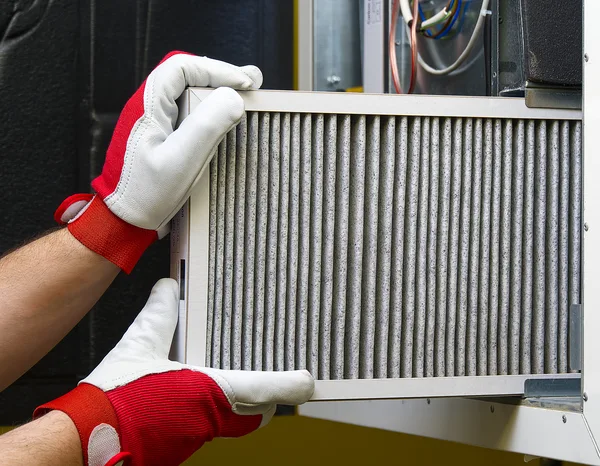
A dirty air filter restricts airflow, reduces efficiency, and shortens blower motor lifespan. We clean or replace the air filter as part of maintenance and recommend a replacement frequency—typically monthly to quarterly—based on your home's dust levels. A clean filter improves furnace efficiency and extends equipment life.
Thermostat Programming
An efficiently programmed thermostat lowers heating costs without sacrificing comfort. We review your settings, verify the thermostat is mounted away from heat sources or drafts, program setbacks for sleeping hours and unoccupied times if desired, and explain all features so you can balance comfort and efficiency on your schedule.
Documentation & Report
We provide a detailed written maintenance report with all test results, explain findings in plain language, identify any components showing wear, and recommend timing for future maintenance visits. This record documents your furnace's condition and helps protect your manufacturer warranty.
See Maintenance Plan OptionsFrequently Asked Questions About Furnace Maintenance
We recommend professional maintenance once a year, before heating season—ideally in September or early October. That timing ensures your furnace is clean, tested, and ready before the first cold snap. If you run your furnace heavily all winter, annual service is essential. Some high-use or aging systems benefit from twice-yearly visits, but once a year is standard for most homes.
A comprehensive tune-up includes burner cleaning, visual inspection of all components, combustion analysis, gas pressure testing, electrical safety testing, blower operation verification, thermostat programming review, filter replacement, and a detailed written report. We measure efficiency, verify safe operation, clean all critical components, and document findings so you understand your furnace's condition. The entire visit typically takes 1–2 hours.
Yes, absolutely. Many furnace failures are preceded by small issues weeks or months earlier. Professional testing catches these early signs—weak ignition, pressure drift, sensor inconsistency—so you can plan repairs on your schedule rather than facing emergency shutdowns in freezing weather. Customers who maintain furnaces regularly experience far fewer unexpected failures than those who skip maintenance.
Furnace maintenance pricing depends on furnace age and condition. Basic maintenance for a newer, well-maintained furnace is less involved than service for an older or neglected system that needs more intensive cleaning. We provide pricing upfront during scheduling. Many customers join our maintenance plan for annual tune-ups at a fixed seasonal rate, which is more economical than one-time visits and keeps maintenance on schedule.
You don't need to change the filter before your appointment—we typically replace or inspect the filter as part of maintenance. However, if your filter looks visibly dirty, you can change it beforehand. We recommend monthly filter replacement during heating season for most homes, or quarterly if you have minimal dust. A clean filter improves furnace efficiency and extends blower motor lifespan.
Maintenance is preventive care performed before problems develop—annual tune-ups to keep your furnace running efficiently and catch issues early. Repair is addressing problems that have already occurred—fixing a broken ignitor, replacing a failed motor, or addressing a gas pressure issue. Maintenance prevents many repairs from becoming necessary and extends furnace lifespan.
Combustion analysis measures whether your furnace is burning gas cleanly and completely. Improper combustion can create dangerous carbon monoxide, reduce efficiency, and damage components. Combustion analysis confirms safe, complete burning and identifies any concerns before they become problems. It's the single most important test we perform during maintenance.
You can perform basic maintenance yourself: change the air filter monthly to quarterly, keep the furnace area clean and dry, ensure vents are unobstructed. Professional maintenance involves specialized equipment, safety testing, and expertise that requires training and certification. Gas furnace work must be done by qualified professionals to ensure safety and compliance. We recommend leaving professional testing and component cleaning to trained technicians.
Schedule maintenance in September or early October, before heating season and before repair calls spike during cold weather. Off-season scheduling ensures your furnace is ready before you need it, gives you time to plan any repairs that become necessary, and avoids the rush when technicians are handling a heavy repair season. Customers on our maintenance plan have routine visits scheduled automatically each fall.
No. Professional maintenance performed by qualified technicians actually protects your warranty. Regular maintenance proves you've cared for the equipment properly, and many manufacturers require maintenance records to honor warranty claims. Neglecting maintenance or skipping tune-ups is more likely to void coverage for issues that could have been prevented by proper care.
What Our Neighbors in Central Arkansas Are Saying
At Greers Ferry Heat & Air, our reputation in the Greers Ferry Lake area matters more to us than any advertising campaign. Don't take our word for it — see what your neighbors across Fairfield Bay, Heber Springs, Clinton, and Greers Lake are saying about their experience with our team.
Protect Your System With a Greers Ferry Area Maintenance Plan
An HVAC system that's maintained on a consistent schedule lasts longer, runs more efficiently, and breaks down less often at the worst possible time. At Greers Ferry Heat & Air, we offer maintenance plans for both residential homeowners and commercial businesses throughout Greers Lake, Fairfield Bay, and the surrounding Central Arkansas communities.

Residential Maintenance Plan
Your home's heating and cooling system is one of the most expensive mechanical assets you own. A residential maintenance plan from Greers Ferry Heat & Air protects that investment with scheduled professional inspections that catch small issues before they turn into expensive breakdowns — especially during the peak seasons when you need your system most.
Commercial Maintenance Plan
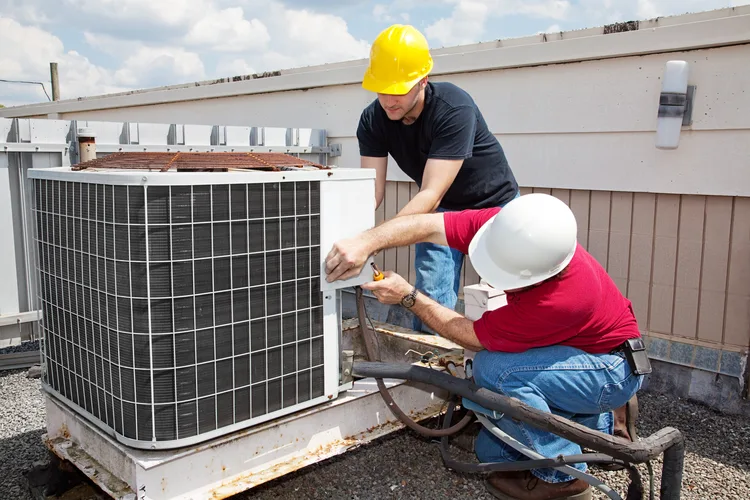
Commercial HVAC equipment works harder than residential systems — longer run times, greater cooling and heating loads, and far less tolerance for downtime during business hours. Our commercial maintenance plan is designed for business owners throughout Clinton, Heber Springs, and the broader Greers Ferry area who can't afford a system failure in the middle of a workday.
Flexible Financing Options for Central Arkansas Homeowners & Businesses
A new HVAC system is a significant investment — and it shouldn't have to wait until you've saved up the full amount in cash. Greers Ferry Heat & Air offers financing through Wells Fargo, a trusted financial partner, so that you can get the system your home or business needs today and pay for it on a schedule that works with your budget.
Wells Fargo
Wells Fargo offers flexible financing options for home improvement projects, including HVAC installation and replacement. With approved credit, you may qualify for promotional terms that let you manage your payments without cutting into your monthly budget for other essentials.
Contact Us to Apply
Proudly Serving Greers Ferry Area, and Central Arkansas
Greers Ferry Heat & Air is based in Greers Ferry, Arkansas and provides full-service heating, cooling, and indoor air quality services to homeowners and businesses throughout Cleburne County, Van Buren County, and the surrounding region. If you live near the lake or in one of the communities below, we're your local HVAC team.
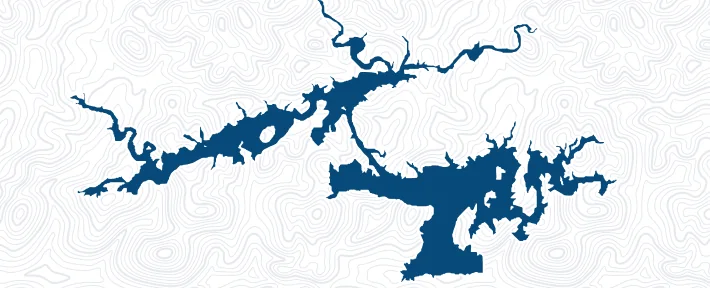
Additional Communities Served
We also serve customers in surrounding communities throughout the Greers Ferry Lake area and Central Arkansas. Call us at (501) 825-7295 to confirm service availability in your specific area.
Keep Your Complete Heating System Healthy & Efficient
Furnace maintenance is one piece of complete home comfort. These related services keep your heating and cooling running smoothly.
Schedule Your Furnace Maintenance Before Winter
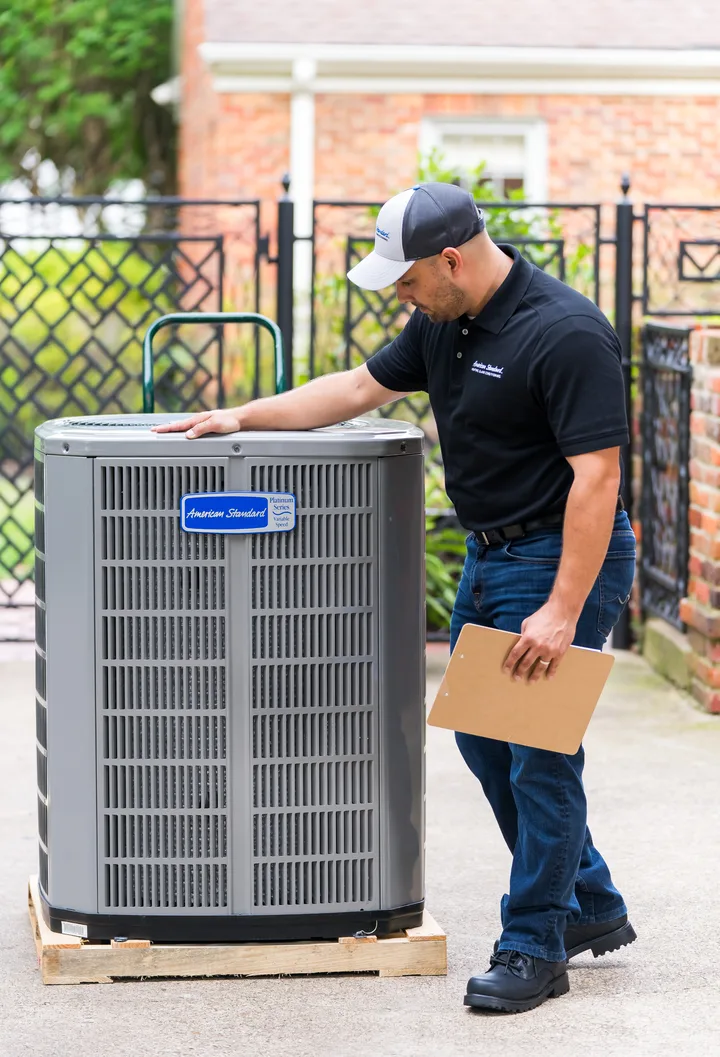
A well-maintained furnace is a reliable furnace. Three decades of HVAC experience has taught us that homeowners who maintain their furnaces experience fewer emergencies, lower heating costs, and longer equipment lifespan. Annual professional maintenance is one of the smartest investments you can make in home comfort and peace of mind. Our furnace tune-up is comprehensive: we clean burners, verify safe combustion, test electrical controls, assess efficiency, and provide a detailed report documenting everything we found. Learn about our company and our commitment to customer care.
Join our maintenance plan for scheduled seasonal tune-ups before each heating season, priority repair response if your furnace fails, and the confidence that your heating system is being cared for by experienced professionals. Serving Fairfield Bay, Clinton, Heber Springs, Drasco, and Quitman. And if a tune-up reveals that a larger repair or replacement makes sense, flexible financing keeps the work affordable. Check our current seasonal specials to see what's available this year.
30 Years of Maintenance Experience
Combustion Safety Verification
Efficiency Testing & Optimization
Detailed Written Reports
Priority Repair Response