
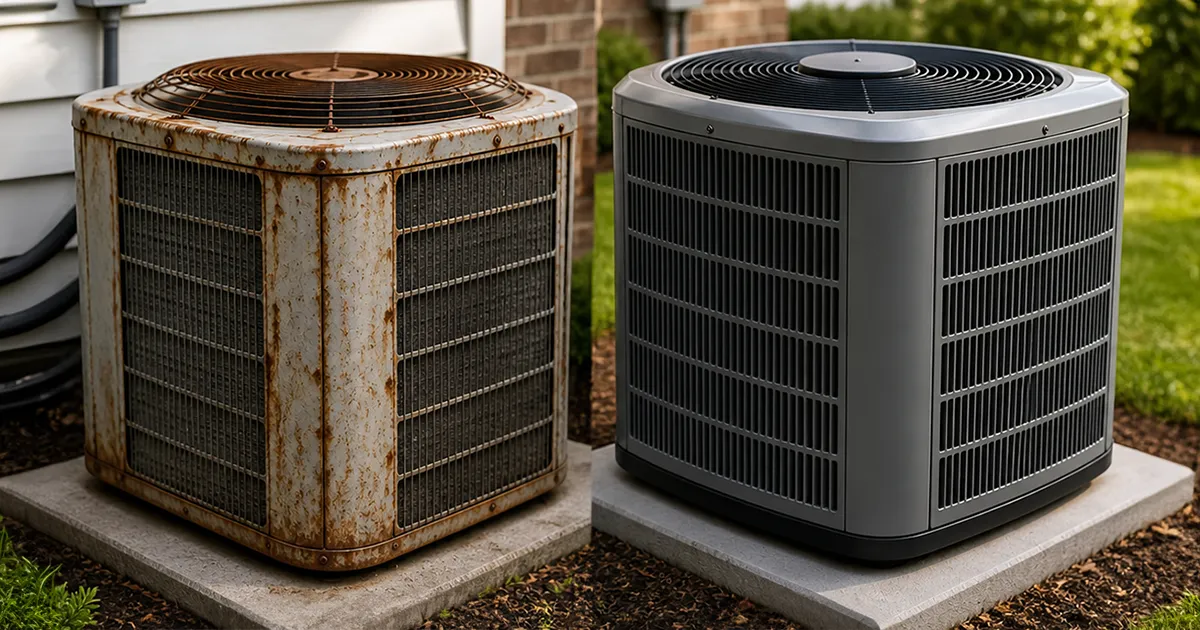
HVAC systems have a talent for terrible timing. The air conditioner quits on the muggiest afternoon of summer. The furnace starts making that noise on the coldest night of the year. The thermostat reads 72 degrees, but your living room tells a different story.
When it happens, you're faced with the same question every homeowner dreads: fix it again, or finally replace it?
In 2026, that question carries real weight. Energy costs aren't going down, efficiency expectations are higher than ever, and a lot of systems installed 10 to 20 years ago are running on borrowed time. Getting through another season with a band-aid repair might feel like the safe move, but it's not always the smart one. The right answer depends on your system's age, condition, repair history, comfort problems, and how long you plan to stay in the home. This guide breaks it all down so you can make a confident decision before an emergency makes it for you.
Why This Decision Matters More Than It Used To
Heating and cooling equipment has changed significantly over the past decade. Newer systems are built for energy efficiency, quieter operation, better comfort control, and smart-home integration. Many older systems still run, but they're often burning more energy than necessary and struggling to keep pace during extreme weather.
That matters because your HVAC system touches almost every part of your daily life at home. It drives your monthly utility bills, shapes your indoor comfort, affects air quality and humidity, and even plays a role in resale value. When efficiency starts slipping, you feel it in several ways: higher energy bills, uneven temperatures room to room, longer run cycles, more dust, and more service calls.
Efficiency standards have also shifted. SEER2 ratings and updated equipment requirements have changed how homeowners compare cooling systems. Today's high-efficiency equipment is designed to reduce wasted energy and deliver more consistent performance. That doesn't mean every older system needs to go, but it does mean one repair estimate shouldn't be the only thing you're looking at.
Warning Signs That You Have A Decision To Make
Age is usually the first factor worth examining. Most HVAC systems last somewhere between 10 and 15 years, depending on how well they've been maintained, the quality of the original installation, and local climate conditions. Some units hold up longer with consistent care, but performance tends to decline as parts wear out regardless.
A system more than 10 years old that has started acting unreliable is worth evaluating honestly. A system 15 years old or older may still kick on every morning, but that doesn't mean it's operating efficiently or safely.
Frequent repair calls are one of the clearest warning signs. Needing service once in a while is normal. Needing it more than once a season suggests multiple components are wearing down at the same time. One failed part can be repaired. A pattern of failed parts usually means the system is approaching the end of its useful life.
Climbing energy bills tell a story too. If your household habits haven't changed but your utility costs keep creeping up, your HVAC system may be working harder than it should just to reach the same temperatures it used to hit easily. Older equipment tends to run longer cycles, which burns more energy and adds stress to components that are already worn.
Comfort problems deserve just as much attention as mechanical ones. Hot and cold spots, weak airflow, poor humidity control, and rooms that never quite feel right can all point to deeper HVAC issues. Sometimes the culprit is ductwork, insulation, or a failing thermostat. Other times, the system itself no longer has the capacity to serve the home properly.
Strange noises shouldn't be brushed off. Banging, grinding, rattling, squealing, and constant cycling can all signal mechanical wear. A small sound might be a simple fix, but loud or recurring noises on an older system often mean something bigger is on the way.
Major component failure changes the math quickly. Compressors, heat exchangers, blower motors, and evaporator coils are expensive to repair or replace on their own. When one of these fails on an aging system, comparing that repair cost against a full replacement is the only way to know which option actually makes sense.
Outdated refrigerant can make the decision easier. Older AC units that rely on phased-out refrigerants are more expensive to service. If the system has a refrigerant leak and is already showing its age, replacement often provides better value than chasing costly repairs on equipment that's already behind current standards.
The Million Dollar Question: Cost
This is where the decision gets personal. A repair might run a few hundred dollars or several thousand. Replacement costs more upfront but can reduce future repair bills and improve energy performance over time.
A common rule of thumb is the 50% guideline: if a repair costs more than half the price of replacing the system, replacement is often the smarter long-term investment. That's especially true when the system is older, out of warranty, and already showing signs of broader decline.

That rule is useful, but it's not the whole picture. A $900 repair on a newer system may be completely reasonable. That same repair on a 16-year-old unit that needed service twice last year is a different story. Look at the full pattern, not just the one estimate sitting in front of you.
Repeated service calls add up faster than most homeowners expect. A blower repair in spring, a refrigerant issue in summer, and an electrical problem in fall can make an older system feel like it's draining money with no end in sight. Even smaller repairs become exhausting when they keep happening.
Monthly energy costs belong in this conversation too. An aging system may be costing you every single month, even when nothing is technically broken. Newer high-efficiency systems are designed to use energy more effectively, and many homeowners find that the combination of lower operating costs and better comfort makes the investment worth it over time.
Rebates, tax credits, manufacturer promotions, and financing options can also ease the burden of replacement. These programs change, so it's worth asking us what options apply to your situation in 2026.
Planning ahead has its own advantages. Replacing a system before it completely fails gives you time to compare equipment, ask questions, and choose what actually fits your home. Waiting until a breakdown during a heat wave or cold snap often means a rushed decision under the worst possible circumstances.
What You Actually Gain From a New System
A new HVAC system doesn't just replace old equipment. It changes how your home feels day to day.
Energy efficiency is the benefit most homeowners think about first, and for good reason. Modern systems are built to meet higher standards and reduce wasted energy. When installed correctly, they can help lower monthly utility costs and deliver more predictable performance during the stretches of weather when you need them most.
Comfort is the one most homeowners actually notice first. Older systems tend to blast air at full power, shut off abruptly, then repeat the cycle. Newer variable-speed and two-stage systems operate with more precision, keeping temperatures steadier throughout the home and reducing those constant thermostat adjustments.
Smart thermostat compatibility gives you better day-to-day control. With programmable settings and remote access, you're heating or cooling based on your actual schedule rather than letting the system run an empty house. Some newer systems also send reminders for filter changes and routine maintenance.
Indoor air quality can improve noticeably with upgraded filtration, better humidity control, and more consistent airflow. If your home feels dusty, stale, sticky, or overly dry, the HVAC system is often part of the problem. Newer equipment can support better filtration options, especially when paired with properly maintained ductwork.
Noise is another thing homeowners notice almost immediately after installation. Older systems rattle, hum, and cycle loudly. Newer equipment is generally designed for much quieter operation, which makes a real difference in bedrooms, home offices, and living areas.
Resale appeal matters too. Buyers pay attention to the age of major home systems. A newer, energy-efficient HVAC system reduces concerns during inspection and signals to buyers that the home has been taken care of.
When Repair Makes More Sense
Repair is often the right call when the system is newer, has been well-maintained, and the problem is isolated. A faulty thermostat, worn capacitor, clogged drain line, dirty coil, or small electrical issue doesn't automatically justify replacement.
A system under 10 years old without a history of frequent breakdowns is often worth repairing. Warranty coverage makes that choice even more straightforward.
Repair can also buy time. Some homeowners know replacement is coming but need another season or two to plan financially. If a technician believes the system is otherwise in decent shape, a targeted repair may be a practical short-term bridge.
Maintenance history matters here. A well-maintained system may have more reliable life left than its age alone suggests. Regular tune-ups, clean filters, clear drain lines, and proper airflow can help equipment perform well for longer than average.
One of our trustworthy technicians should explain your options honestly. If a simple repair can solve the problem, you should feel comfortable choosing that route.
When Replacement Is the Smarter Move
Replacement makes more sense when the system is older, inefficient, unreliable, and expensive to maintain. At that point, another repair may only delay the same conversation by a season or two.
A system 10 to 15 years old or older that has required multiple repairs is a strong candidate for replacement. Major repairs on aging equipment are a gamble because one new part doesn't make the rest of the system new. Replacing a compressor today doesn't mean you won't face a different expensive repair next summer.
Persistent comfort problems can justify replacement even when the system is still technically running. A unit that runs constantly but never keeps the home comfortable isn't doing its job efficiently. Uneven temperatures, weak airflow, or ongoing humidity issues that repairs haven't resolved are signs that a properly sized new system may be the only real fix.
Homeowners who plan to stay in their home for several more years typically benefit most from replacement. They have time to enjoy improved comfort, quieter operation, lower repair risk, and the potential for energy savings. A new HVAC system also provides peace of mind when the weather pushes to extremes.
Replacement can also make sense when preparing to sell. Buyers notice aging systems, and a newer unit reduces hesitation during inspection and gives the home a competitive edge.
Budgeting for Replacement in 2026
HVAC replacement cost depends on system type, home size, efficiency rating, ductwork condition, installation requirements, and any upgrades you add. A straightforward replacement in a home with good existing ductwork costs less than a project requiring duct modifications, electrical upgrades, zoning, or air quality add-ons.

The lowest upfront price isn't always the best value. Correct sizing, quality installation, and proper airflow matter just as much as the equipment itself. An oversized system cycles too often, wastes energy, and struggles with humidity. An undersized system runs constantly and still leaves the home uncomfortable.
Ask your contractor how they determine the right size for your home. A professional should be considering square footage, insulation, windows, layout, sun exposure, ductwork, and comfort concerns, not simply swapping in the same size unit that was there before.
Financing options can make replacement easier to fit into a household budget. Rebates and tax incentives may be available for qualifying high-efficiency equipment, so ask what programs are currently active in your area.
Planning ahead gives you control. If your system is aging but still running, you can start setting money aside, compare equipment options, and schedule a replacement during a calm stretch rather than in the middle of a breakdown.
Final Thoughts
There's no universal answer to the repair vs. replacement question. A minor problem on a newer system usually deserves a repair. Frequent breakdowns, rising energy costs, poor comfort, outdated equipment, and advanced system age point toward replacement.
The best decision comes from looking at the full picture. Consider the system's age, the cost of the repair, your recent service history, your energy bills, and how comfortable your home actually feels. Factor in how long you plan to stay and whether your current system still meets your needs.
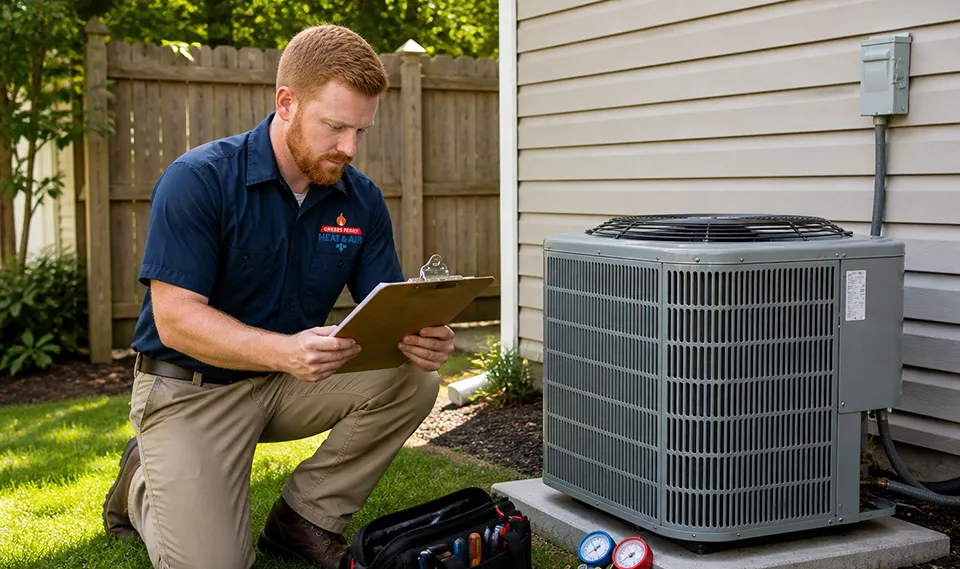
A professional inspection by Greers Ferry Heat & Air takes the guesswork out of it. One of our experienced technicians can evaluate your system, check airflow, inspect major components, and give you an honest assessment of whether repair or replacement makes more sense for your home.
If your HVAC system is giving you problems in 2026, now is a good time to get answers. Contact us today at (501) 825-7295 to schedule an inspection, repair estimate, or replacement consultation. We'll evaluate your system, walk you through your options, and give you a clear quote so you can choose the best path for your home, your comfort, and your budget.